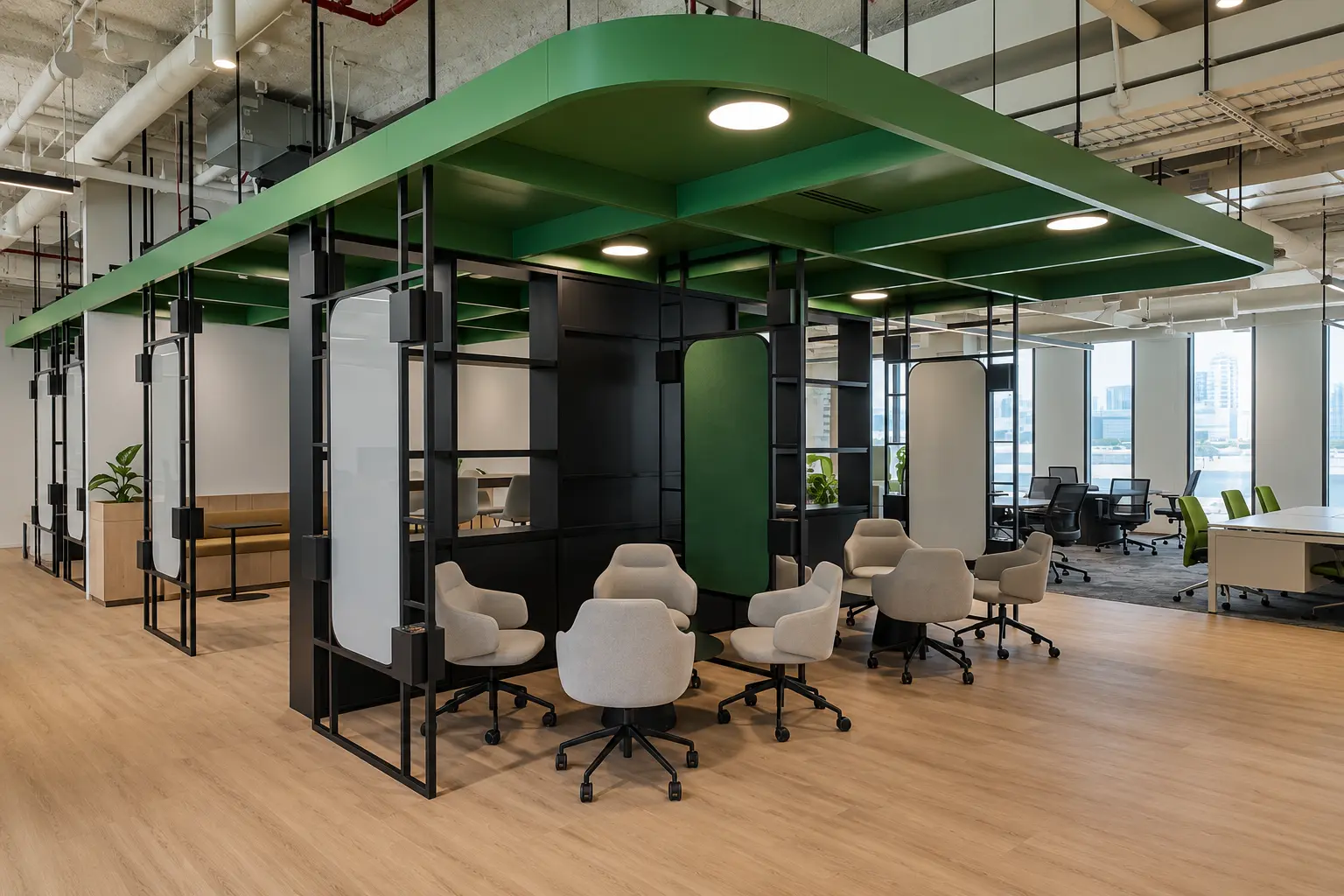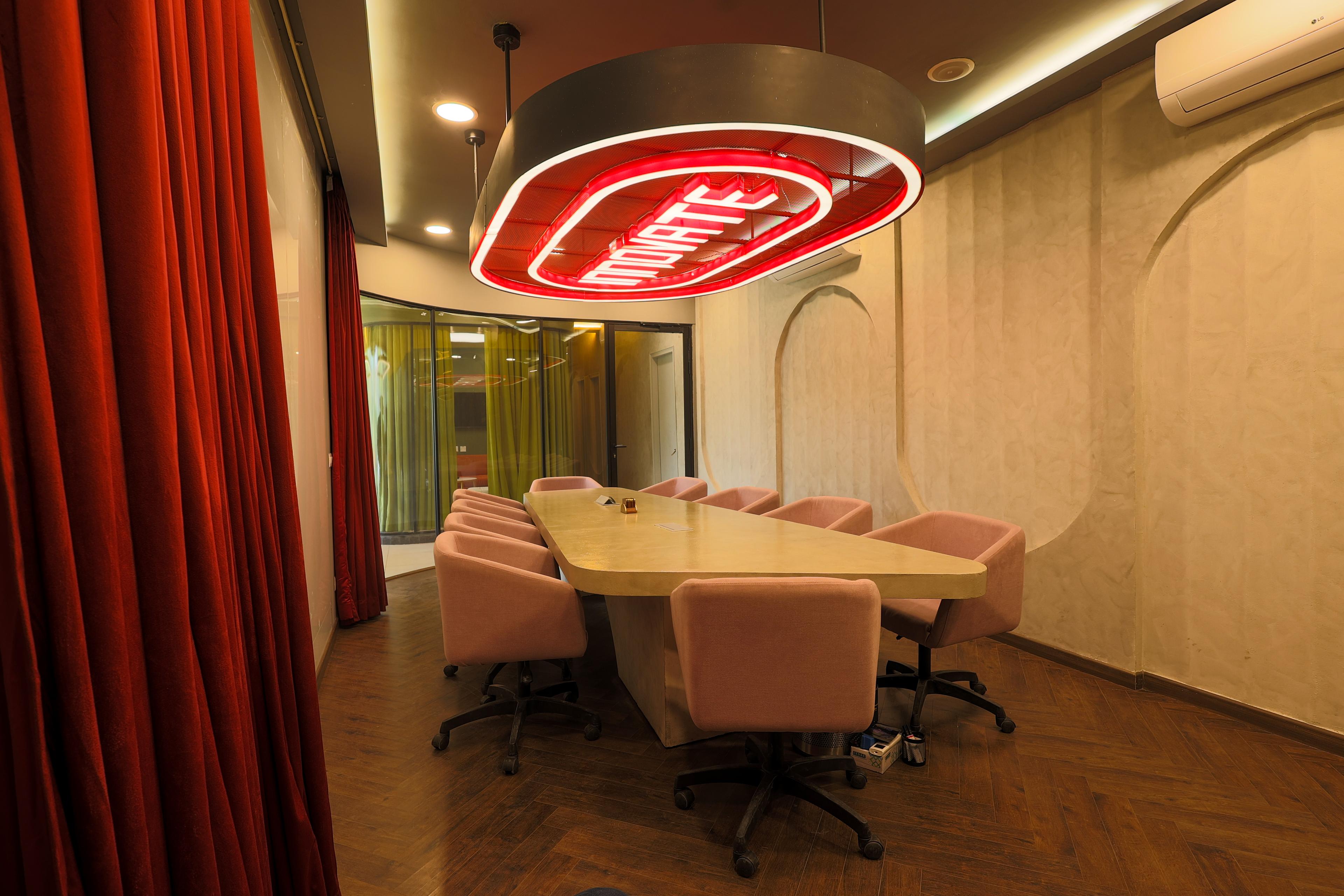
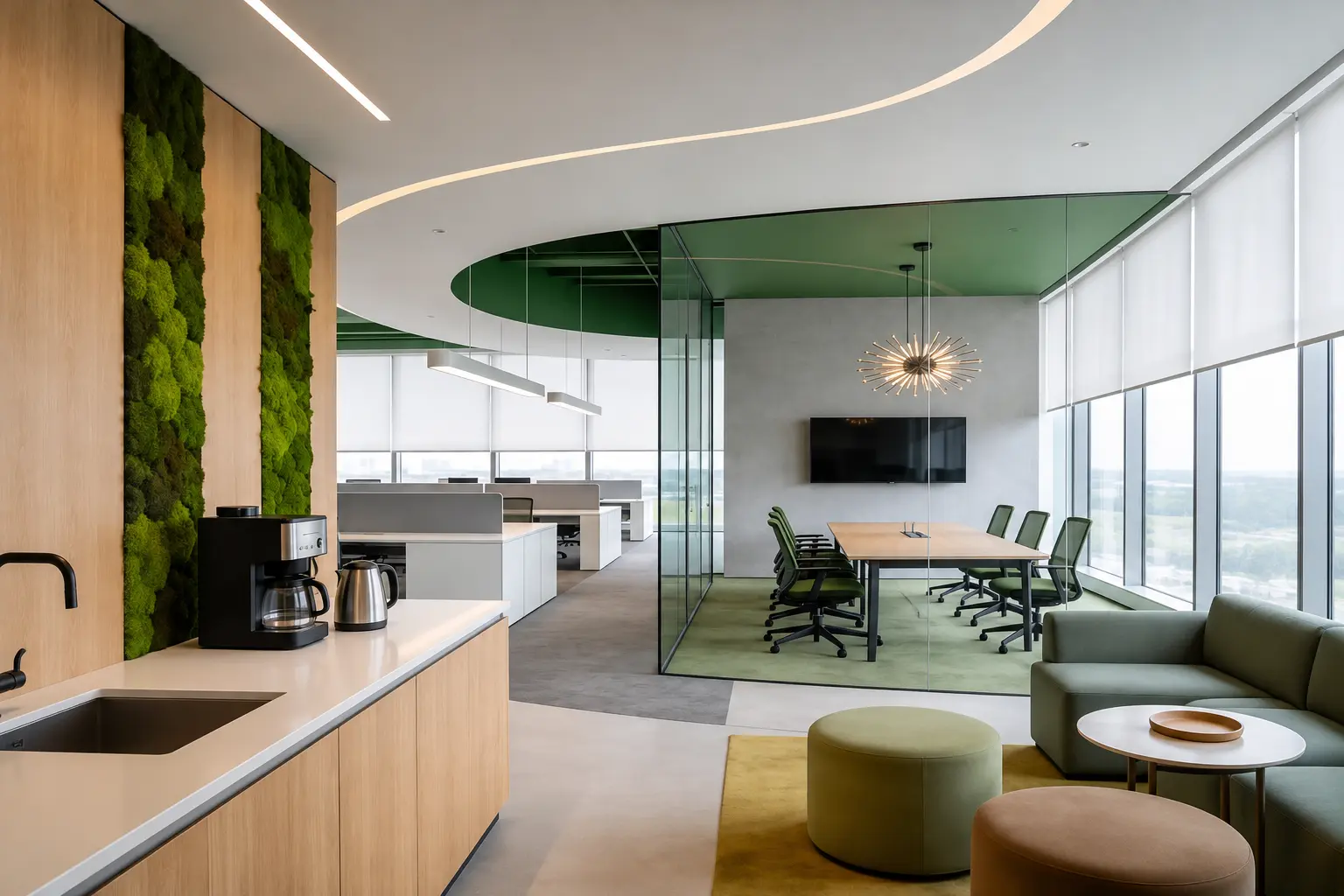
A well-designed office can look great on paper, but what happens when the space gets busy? Phones ring, people talk, meetings happen and footsteps move across the floor. Before long, all that sound can become a distraction.
In fact, a report covered by India Today found that 75% of employees globally say noise, distractions and a lack of quiet spaces stop them from doing their best work.
Why Does Office Acoustics Matter?
Not everyone works in the same way. Some people spend their day in meetings and team discussions, while others need quiet time to concentrate.
In an open office, sound can easily travel from one area to another. Without proper office acoustic design, a phone call across the room or a nearby conversation can become difficult to ignore. It can also make private discussions less private.
The goal isn't to make an office completely silent. Good acoustics simply help control sound and give different areas the right level of privacy.
What Can You Do About Office Noise?
There are several simple ways to improve the acoustic experience of a workplace:
Use acoustic panels and ceiling treatments
Add quiet rooms and private booths
Plan meeting rooms away from focused work areas
Use soft furniture and finishes to reduce echo
Create separate zones for noisy and quiet activities
The important thing is to think about acoustics before the office is built, not after employees start complaining about the noise.
How Should You Plan It?
Start by looking at how your team uses the office. Where do people need to focus? Which areas will be busiest? Where will meetings and calls happen?
NextOffice, workplace planning and office interior design take these everyday details into account, helping create offices that are comfortable, practical and easier to work in.
A good office should look right, feel right and sound right.